

On this page
Short answer
What matters most
A consumer-unit replacement normally includes an initial assessment, isolation of the supply, removal of the old board, installation and connection of the new unit, inspection and testing, circuit identification, labelling and certification. Existing defects can change the scope, so pre-work testing and clear allowances matter. This guide explains what the decision depends on without treating age, appearance or a headline price as property evidence. Record the condition, access, intended result and available documents, then ask which points still require inspection, design or testing before accepting a recommendation.
Assessment before the change
The intake, earthing and circuit condition are checked first. The design accounts for existing and planned loads. The practical value is in showing which answer can be agreed now and which remains conditional. Testing that may reveal circuit issues affecting the scope should be scheduled at the point where it can genuinely influence scope, before finishes, equipment orders or programme promises make a different result costly.
Use this technical principle when assessing the property: earthing and bonding condition can affect the work required. The related practical factor is access around the board. The programme should identify certification, notification where applicable and handover as a checkpoint and explain how a changed finding will be communicated. The final handover record, including Part P notification where applicable, must describe the circuits and work actually covered.
- The intake, earthing and circuit condition are checked first.
- The design accounts for existing and planned loads.
Evidence for assessment before the change
The intake, earthing and circuit condition are checked first. The design accounts for existing and planned loads. Keep the original evidence with the decision so a future owner or electrician can understand why the scope took this form.
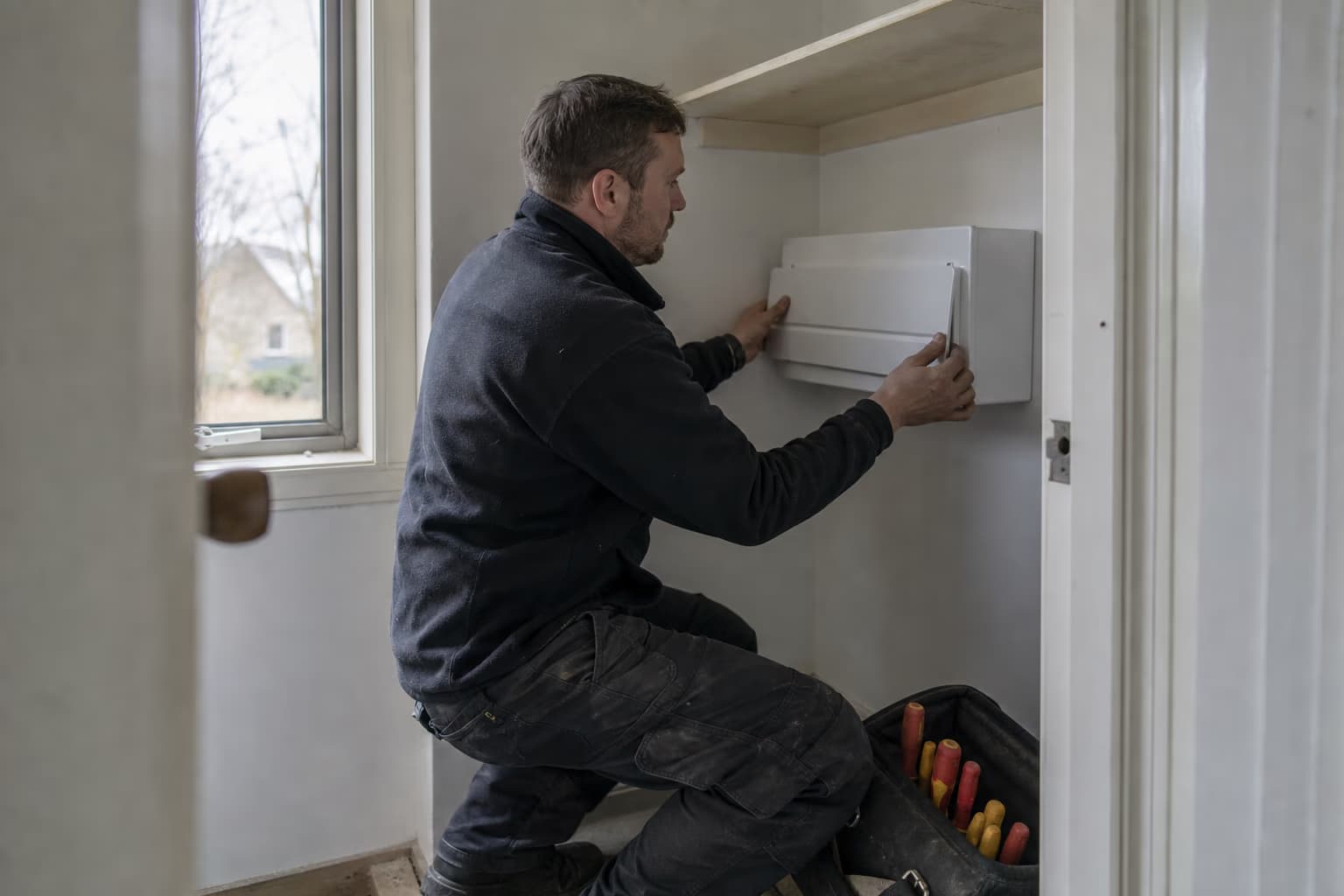
Isolation and removal of the old unit
Power will be unavailable during the replacement. Safe isolation must be verified before conductors are handled. Together they define a hold point for consumer unit replacement process. Record the available property information, carry out inspection of the existing board, supply, earthing and bonding where relevant and name the person who can resolve the remaining question. This keeps a provisional allowance visibly provisional.
Apply this principle to the real installation: surge protection and circuit separation are considered in context. Then review existing circuit condition, because it may alter access, equipment or sequencing. Safe isolation and removal of the existing equipment becomes the relevant delivery checkpoint, with updated circuit schedule and labels retained where it applies to the completed work.
- Power will be unavailable during the replacement.
- Safe isolation must be verified before conductors are handled.
Evidence for isolation and removal of the old unit
Power will be unavailable during the replacement. Safe isolation must be verified before conductors are handled. Note whether each fact came from observation, a current document, electrical testing or an assumption that still needs confirmation.
Installing and connecting the new board
Protective devices are selected for the actual circuits. Cable entries and enclosure details need careful finishing. Read those points together before drawing a conclusion about consumer unit replacement process. Selection of a suitable configuration and protective devices separates what can be seen or supplied in advance from the facts that require access or test evidence. Any unresolved condition belongs in the limitations, not inside a confident-sounding fixed assumption.
A competent proposal links design, delivery and evidence. The design question is how this principle applies: replacement does not correct hidden circuit faults automatically. The delivery question concerns certification, notification where applicable and handover, while the handover question is which evidence, including electrical installation certification, is required. Future loads and spare capacity can affect all three, so it should not be left to an informal site conversation.
- Protective devices are selected for the actual circuits.
- Cable entries and enclosure details need careful finishing.
Evidence for installing and connecting the new board
Protective devices are selected for the actual circuits. Cable entries and enclosure details need careful finishing. Record the access available on the day and explain how any limitation narrows the conclusion that can safely be drawn.
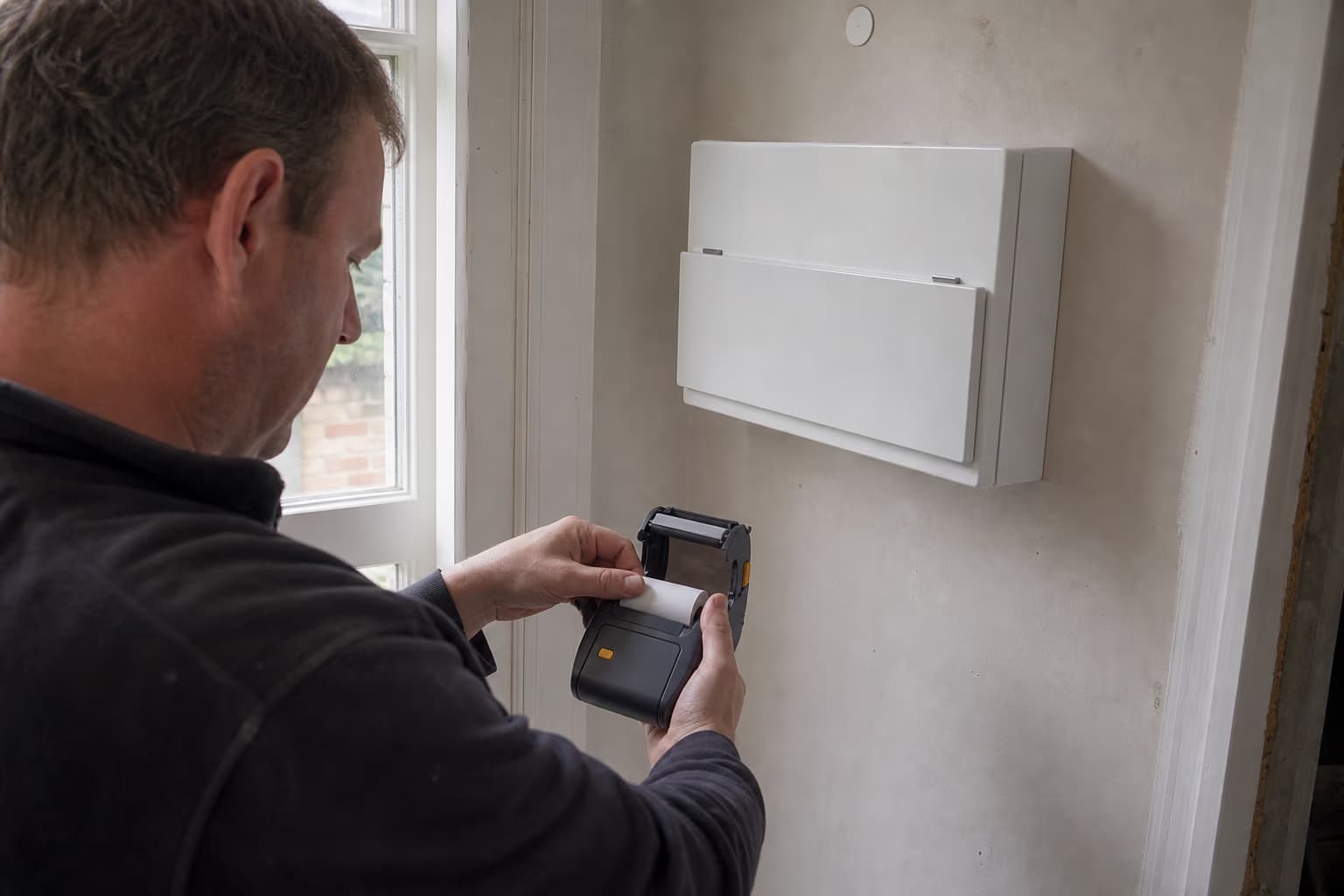
Testing every affected circuit
Test results may reveal unrelated existing defects. Circuit descriptions should be verified rather than copied blindly. They form a useful evidence boundary for this decision. Begin with discussion of board position, access and isolation, then mark which conclusion is observed, measured, documented or still provisional. That sequence makes the later quotation easier to challenge and compare if site information changes.
The recommendation also needs to work after installation day. Test the property against this principle: protective-device selection depends on the installation and circuit arrangement. Then account for duration of electrical isolation and decide how safe isolation and removal of the existing equipment will be witnessed or recorded. Handover information such as record of any limitations or separately quoted remedial work should match the final arrangement rather than the original estimate.
- Test results may reveal unrelated existing defects.
- Circuit descriptions should be verified rather than copied blindly.
Evidence for testing every affected circuit
Test results may reveal unrelated existing defects. Circuit descriptions should be verified rather than copied blindly. Keep the original evidence with the decision so a future owner or electrician can understand why the scope took this form.
Labelling, certification and handover
The applicable electrical certificate must be completed. Notifiable work should be explained at quotation stage. For this part of the brief, distinguish the customer's known requirement from the installation evidence. Testing that may reveal circuit issues affecting the scope provides one route to that evidence. If access prevents confirmation, record the missing fact and the consequence instead of silently treating it as satisfactory.
This section changes the work only when the evidence justifies it. Start with the technical principle: earthing and bonding condition can affect the work required. Then assess the practical effect of access around the board; neither should be inferred from the headline query. The sequence includes circuit testing, identification and labelling, and the completed record may include Part P notification where applicable according to the work delivered.
- The applicable electrical certificate must be completed.
- Notifiable work should be explained at quotation stage.
Frequently asked questions
What should I confirm first about consumer unit replacement process?
The intake, earthing and circuit condition are checked first. The design accounts for existing and planned loads. Those two facts give the first conversation a defined starting point without treating an unvisited property as a standard package.
Which site evidence can change the answer for consumer unit replacement process?
Protective devices are selected for the actual circuits. Cable entries and enclosure details need careful finishing. Inspection or test evidence should override an assumption made from age, appearance, photographs or another property.
How should consumer unit replacement process appear in a quotation?
Test results may reveal unrelated existing defects. Circuit descriptions should be verified rather than copied blindly. The quotation should identify inclusions, exclusions and any provisional item whose final scope depends on opening, inspection or testing.
Which records matter after work connected with consumer unit replacement process?
The applicable electrical certificate must be completed. Notifiable work should be explained at quotation stage. Keep the applicable report, certificate, notification, schedules and change record with the property documents.
Sources and further reading
- Approved Document P: electrical safety in dwellings
- Electrical Safety First guidance
- NICEIC consumer and contractor guidance
This guide provides general information and is ready for technical review before publication. Regulations and official guidance can change.