
On this page
Short answer
What matters most
Electrical work in Bournemouth flats and conversions needs early checks of ownership boundaries, communal supplies, meter and consumer-unit positions, access permissions, fire-stopping responsibilities and the history of alterations. The correct design depends on the individual flat and the wider building, not the postcode alone. This guide explains what the decision depends on without treating age, appearance or a headline price as property evidence. Record the condition, access, intended result and available documents, then ask which points still require inspection, design or testing before accepting a recommendation.
Start with the building and tenure
Lease terms may control alterations and cable routes. Landlord or freeholder consent can be needed before work. They form a useful evidence boundary for this decision. Begin with coordination with kitchens, bathrooms, joinery and mechanical services, then mark which conclusion is observed, measured, documented or still provisional. That sequence makes the later quotation easier to challenge and compare if site information changes.
The recommendation also needs to work after installation day. Test the property against this principle: circuit routes consider fire stopping, insulation and other services. Then account for architectural and interior-design coordination and decide how first-fix containment, boxes and cabling will be witnessed or recorded. Handover information such as operating information and final schedules should match the final arrangement rather than the original estimate.
Translate the advice into property-specific questions: what does “lease terms may control alterations and cable routes” change here, and what evidence will confirm “landlord or freeholder consent can be needed before work”? The written answer should identify the effect on scope, not merely repeat the preferred outcome.
- Lease terms may control alterations and cable routes.
- Landlord or freeholder consent can be needed before work.
Evidence for start with the building and tenure
Lease terms may control alterations and cable routes. Landlord or freeholder consent can be needed before work. Assign the unanswered point to a person and stage so it cannot disappear between survey, quotation and installation.
Plan access, routes and fire stopping
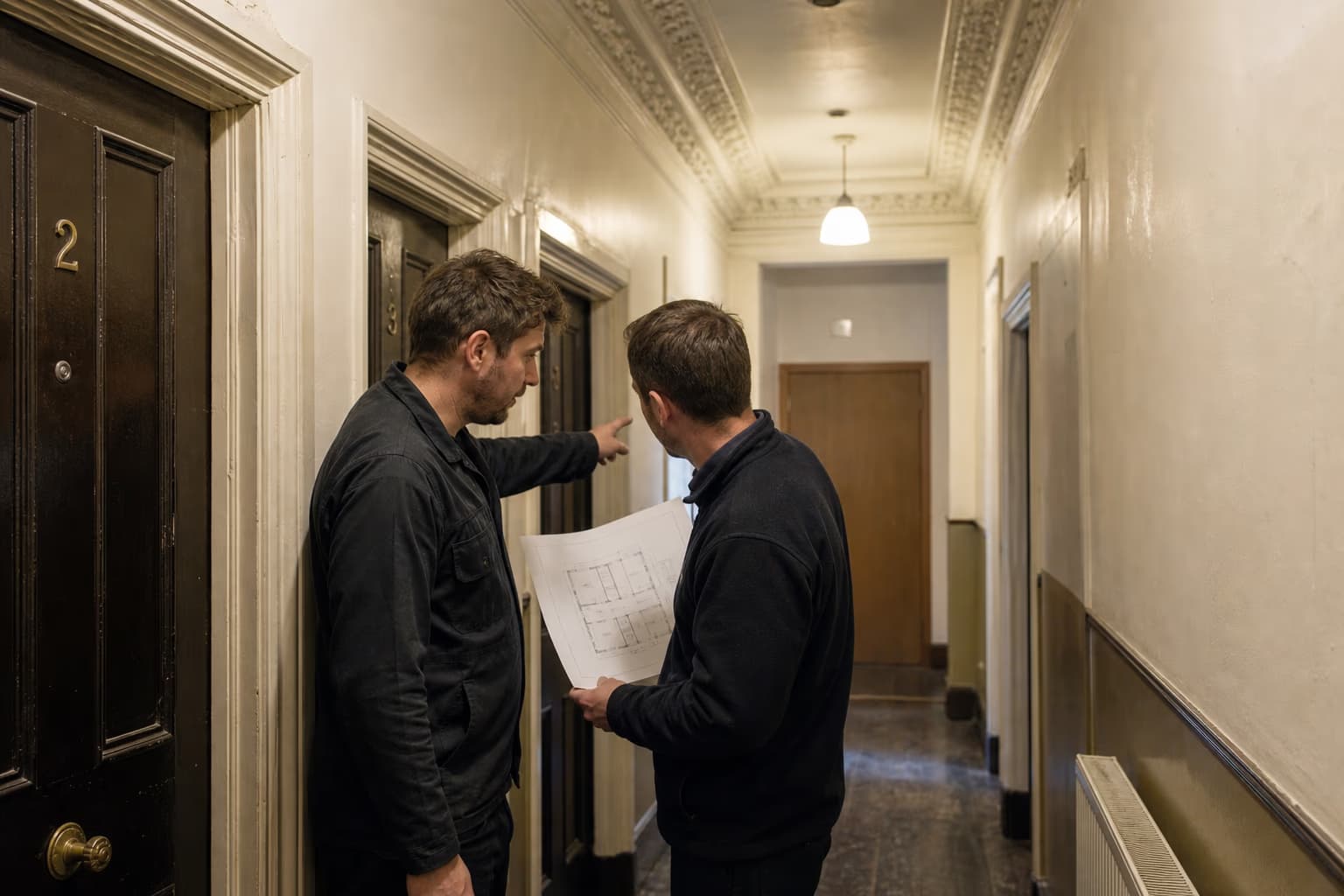
Penetrations through shared construction need proper reinstatement. Noise and isolation times should be agreed with residents. These are connected questions rather than separate checklist items. Use review of drawings, room use and equipment schedules to establish the starting condition and note the source of each answer. A photograph or previous document can guide the visit, but it should not be presented as a current electrical test result.
Turn the answer into an auditable scope by recording the technical principle clearly: documentation is built into the project rather than added at the end. Then address the practical factor of EV, heat-pump, solar and battery readiness. State when electrical design and circuit schedules occurs, what must be available at that point and who approves a variation. Where applicable, electrical installation certificates then closes the chain from initial question to tested result.
Before approving this part of the scope, ask what would change if the finding behind “penetrations through shared construction need proper reinstatement” were different on site. The proposal should also state how “noise and isolation times should be agreed with residents” is evidenced, who responds and whether cost or programme needs fresh agreement.
- Penetrations through shared construction need proper reinstatement.
- Noise and isolation times should be agreed with residents.
Evidence for plan access, routes and fire stopping
Penetrations through shared construction need proper reinstatement. Noise and isolation times should be agreed with residents. If later site information differs, update the written scope and the reason rather than carrying an obsolete assumption into the work.
Coordinate residents and managing agents
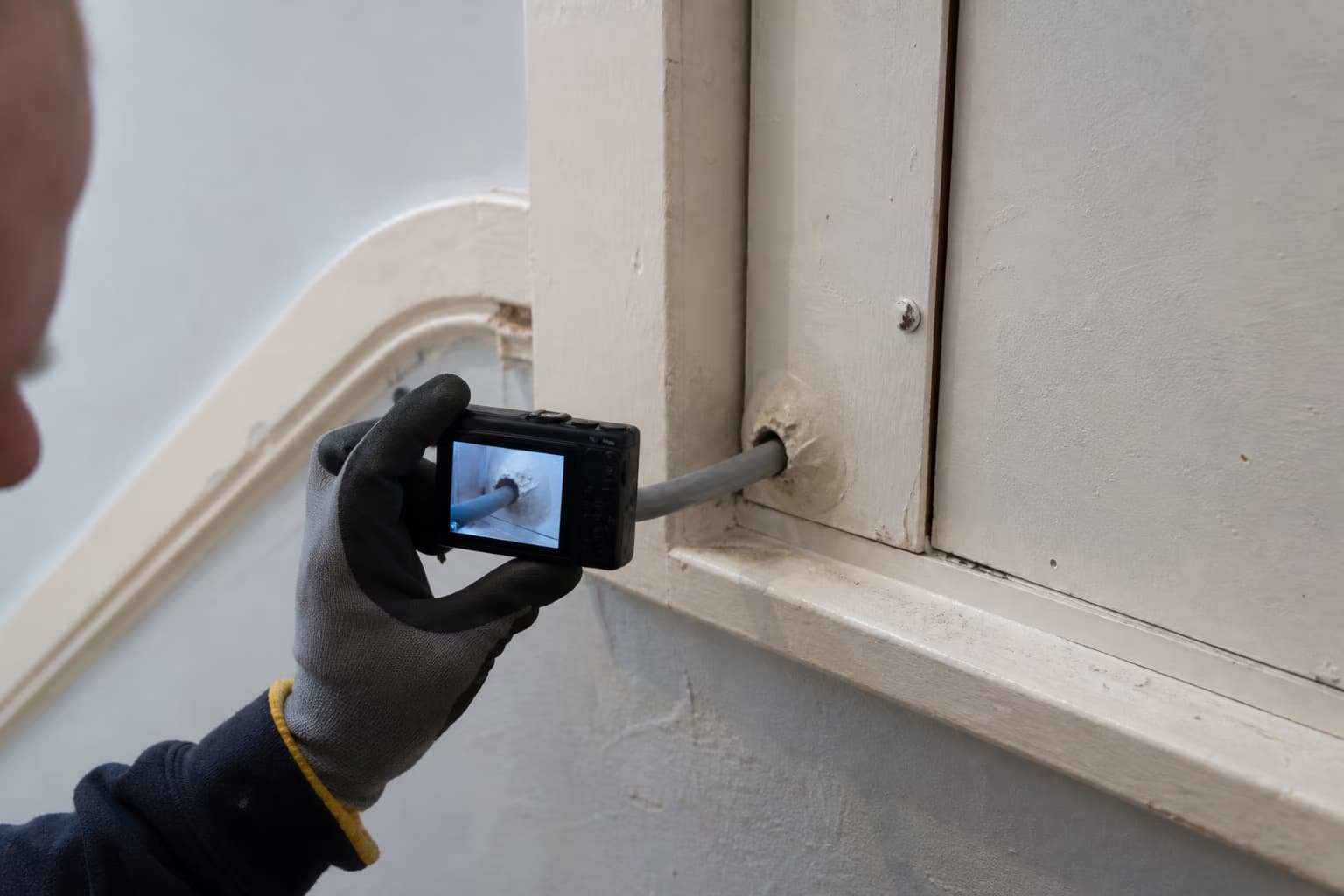
Parking and key access can constrain appointment time. Old and new wiring may be intermingled. The practical value is in showing which answer can be agreed now and which remains conditional. Agreement on first-fix information and decision deadlines should be scheduled at the point where it can genuinely influence scope, before finishes, equipment orders or programme promises make a different result costly.
Use this technical principle when assessing the property: load assessment includes high-demand and future equipment. The related practical factor is network, security and smart-control infrastructure. The programme should identify second-fix equipment and accessories as a checkpoint and explain how a changed finding will be communicated. The final handover record, including design and circuit information appropriate to the project, must describe the circuits and work actually covered.
A decision-ready brief connects the two issues to consequences. It records the implication of “parking and key access can constrain appointment time”, the verification method for “old and new wiring may be intermingled” and the stage after which a change would cause rework.
- Parking and key access can constrain appointment time.
- Old and new wiring may be intermingled.
Evidence for coordinate residents and managing agents
Parking and key access can constrain appointment time. Old and new wiring may be intermingled. Assign the unanswered point to a person and stage so it cannot disappear between survey, quotation and installation.
Keep a complete handover record
Labels must distinguish private and communal circuits. Certificates should identify the exact dwelling and scope. Together they define a hold point for electrician Bournemouth flats. Record the available property information, carry out coordination with kitchens, bathrooms, joinery and mechanical services where relevant and name the person who can resolve the remaining question. This keeps a provisional allowance visibly provisional.
Apply this principle to the real installation: circuit routes consider fire stopping, insulation and other services. Then review architectural and interior-design coordination, because it may alter access, equipment or sequencing. Electrical design and circuit schedules becomes the relevant delivery checkpoint, with operating information and final schedules retained where it applies to the completed work.
Use these points to compare proposals on the same basis. One line should cover “labels must distinguish private and communal circuits”; another should identify how “certificates should identify the exact dwelling and scope” is confirmed. Any linked allowance, exclusion or customer action can then be reviewed without guessing.
- Labels must distinguish private and communal circuits.
- Certificates should identify the exact dwelling and scope.
Frequently asked questions
What should I confirm first about electrician Bournemouth flats?
Lease terms may control alterations and cable routes. Landlord or freeholder consent can be needed before work. Those two facts give the first conversation a defined starting point without treating an unvisited property as a standard package.
Which site evidence can change the answer for electrician Bournemouth flats?
Penetrations through shared construction need proper reinstatement. Noise and isolation times should be agreed with residents. Inspection or test evidence should override an assumption made from age, appearance, photographs or another property.
How should electrician Bournemouth flats appear in a quotation?
Parking and key access can constrain appointment time. Old and new wiring may be intermingled. The quotation should identify inclusions, exclusions and any provisional item whose final scope depends on opening, inspection or testing.
Which records matter after work connected with electrician Bournemouth flats?
Labels must distinguish private and communal circuits. Certificates should identify the exact dwelling and scope. Keep the applicable report, certificate, notification, schedules and change record with the property documents.
Sources and further reading
- Approved Document P: electrical safety in dwellings
- Electrical Safety First guidance
- NICEIC consumer and contractor guidance
This guide provides general information and is ready for technical review before publication. Regulations and official guidance can change.